

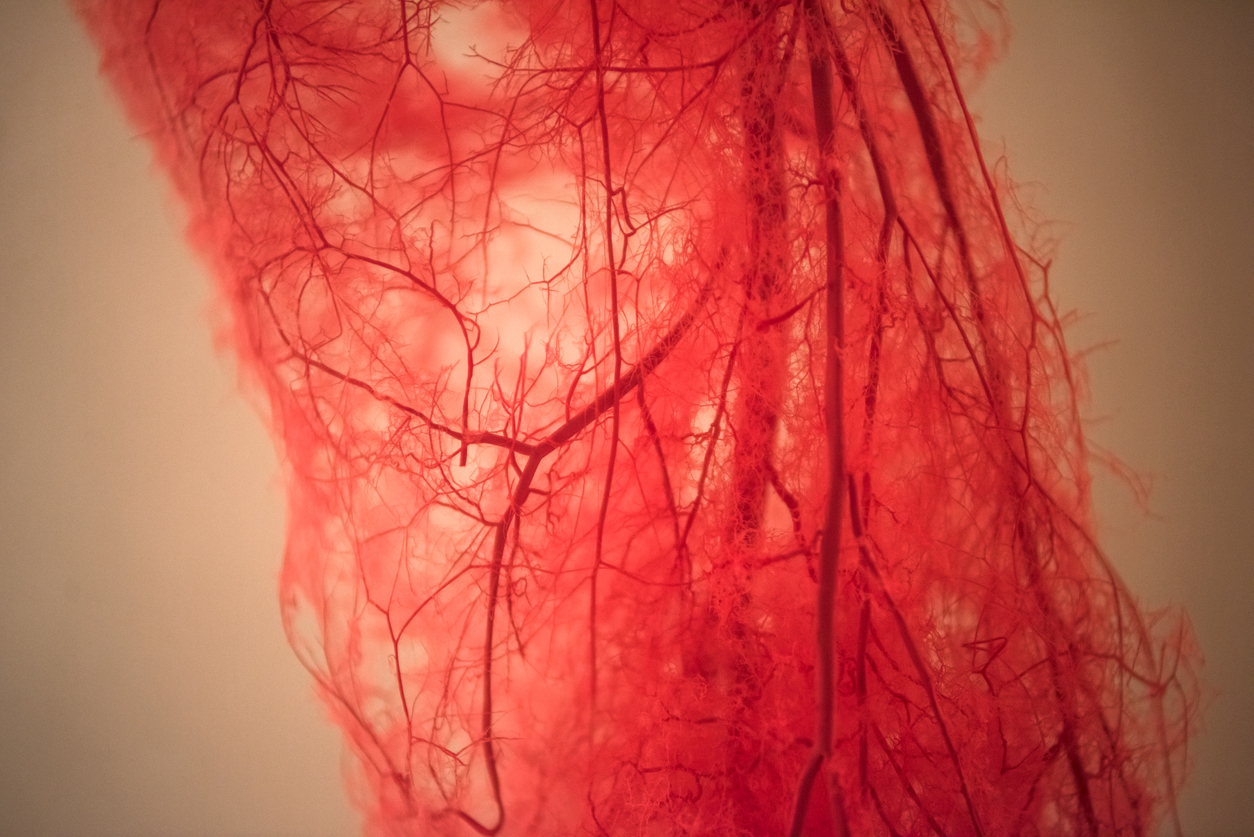
A venogram may be ordered if we suspect you have vascular diseases, including deep vein thrombosis, Iliac vein compression, or a blood clot. A venogram is a diagnostic procedure to make veins visible so the doctor can assess blood flow for vein...
Read MoreRecent Posts
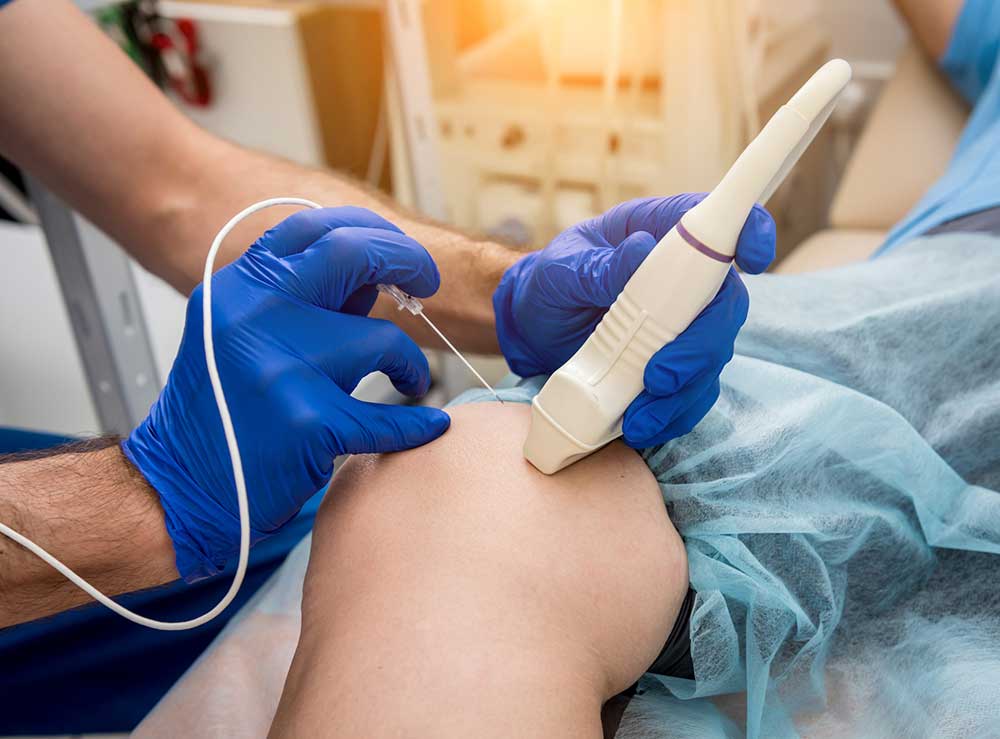
For those unfamiliar with the term ablation, it is simply the removal of an object. However, there are many ways to perform this removal and many different situations to perform it in. In our case, we’re going to focus on ablation and its use...
Read More
Varicose veins most commonly appear in the legs and are caused by the abnormal enlargement of superficial blood vessels. While the condition affects up to 30% of the adult population, it's more prevalent in women than men. Fortunately,...
Read More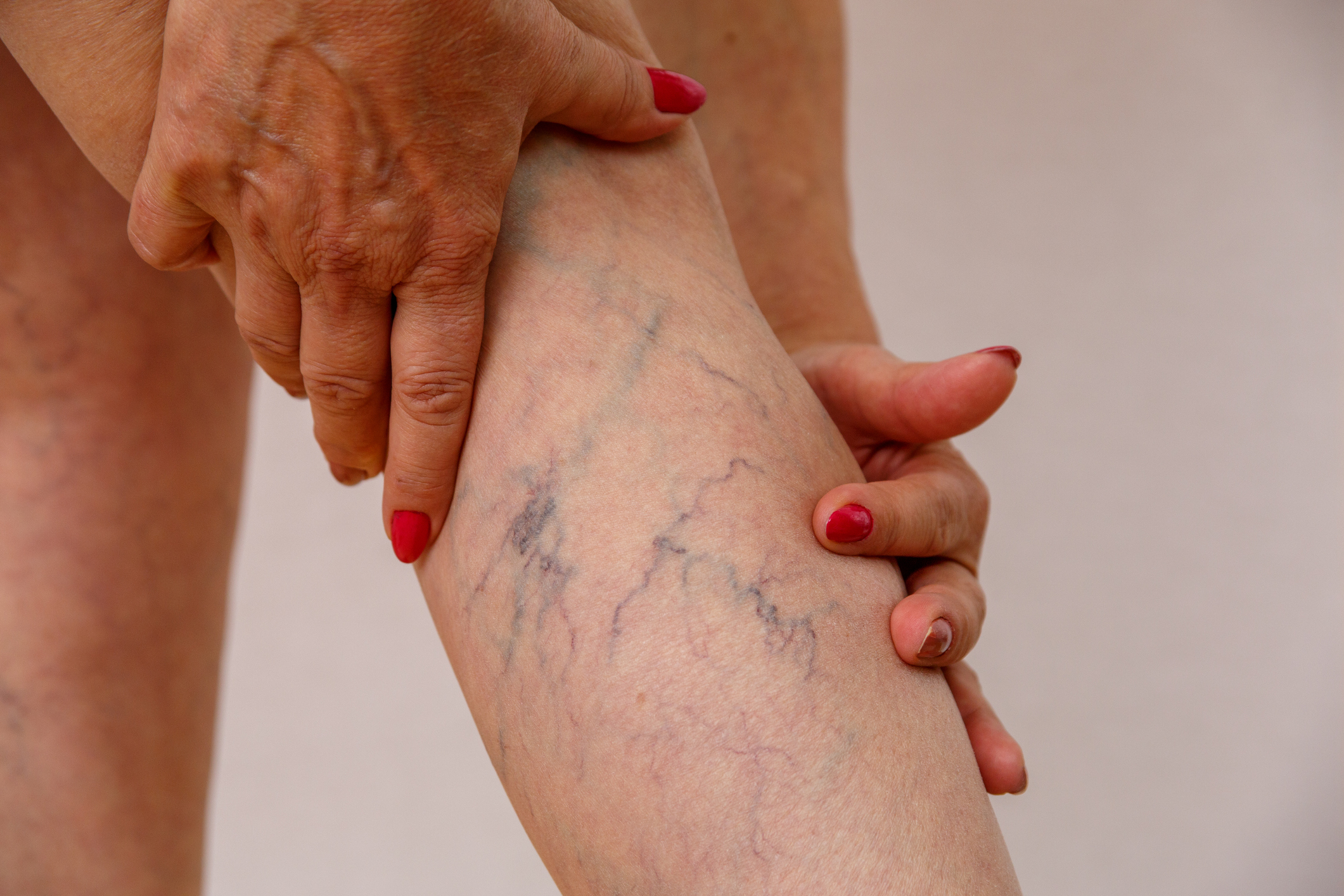
If you are a woman in her 40's, you may have come across the term venous hypertension at least once. The term means that there's high pressure in the veins of the legs, also referred to as venous insufficiency or reflux disease. For men, venous...
Read More
July is UV Safety Awareness month and with summer in full swing and more skin exposed to the warm sun, this is a good time to remind you of the dangers of ultraviolet (UV) radiation and how they may relate to spider veins.
Read More



_2.jpg)