---
title: Can Medicines Clear Blocked Arteries? What Patients Should Know
description: Discover how medications can manage blocked arteries, improve vascular health, and when procedures may be necessary for optimal treatment. Learn more now.
image: https://vascular.tcvcg.com/hubfs/iStock-1255871988.jpg
---
The Vein Institute of New Jersey is considered one of the top vein centers in the world. [Visit The Vein Institute](https://www.veininstitutenj.com/)
[Patient Portal](https://gateway.aprima.com/portal/home/11101) [Careers](https://workforcenow.adp.com/mascsr/default/mdf/recruitment/recruitment.html?cid=01ac20b2-794f-4cd2-b641-85102eaee82c&ccId=19000101_000001&lang=en_US&selectedMenuKey=CareerCenter)
[](http://tcvcg.com/)
[973-759-9000](tel:9737599000) [Schedule Appointment](http://tcvcg.com/contact-us/scheduling-appointments/)
- [Contact Us](https://tcvcg.com/contact-us/)
- [Locations](https://tcvcg.com/contact-us/locations/)
- [Patient Forms](https://tcvcg.com/registration)
- [Scheduling Appointments](https://tcvcg.com/contact-us/scheduling-appointments/)
- [Hospital Consults](https://tcvcg.com/consult/)
- [Our Practice](https://tcvcg.com/our-practice/)
- - [Our Providers](https://tcvcg.com/our-practice/our-providers/)
- [Leadership & Integrity](https://tcvcg.com/our-practice/leadership-integrity/)
- [Noninvasive Vascular Laboratory](https://tcvcg.com/our-practice/noninvasive-vascular-laboratory/)
- [Vein Treatment Center](https://tcvcg.com/our-practice/vein-treatment-center/)
- [Hospital Affiliations](https://tcvcg.com/our-practice/hospital-affiliations/)
- - [Patient Testimonials](https://tcvcg.com/our-practice/patient-testimonials/)
- [Awards & Media](https://tcvcg.com/our-practice/awards-media/)
- [Vascular Clinical Trials](https://tcvcg.com/our-practice/vascular-clinical-trials/)
- [History](https://tcvcg.com/our-practice/history/)
- [Vascular Conditions](https://tcvcg.com/vascular-conditions/)
- - [Peripheral Artery Disease (“PAD”)](https://tcvcg.com/vascular-conditions/peripheral-artery-disease-pad/)
- [Carotid Artery Disease](https://tcvcg.com/vascular-conditions/carotid-artery-disease/)
- [Aortic Aneurysms](https://tcvcg.com/vascular-conditions/aortic-aneurysms/)
- - [Hemodialysis Access](https://tcvcg.com/vascular-conditions/hemodialysis-access/)
- [Vein Disease](https://tcvcg.com/vascular-conditions/vein-disease/)
- [TCVCG Vascular Screening](https://tcvcg.com/vascular-conditions/tcvcg-vascular-screening-program/)
- [Treatments](https://tcvcg.com/treatments/)
- - [Peripheral Artery Disease (“PAD”)](https://tcvcg.com/treatments/peripheral-artery-disease-pad/)
- [Carotid Artery Disease](https://tcvcg.com/treatments/causes-and-care-for-carotid-artery-disease/)
- [Abdominal Aortic Aneurysm](https://tcvcg.com/treatments/abdominal-aortic-aneurysm/)
- - [Dialysis Access Care](https://tcvcg.com/treatments/dialysis-access-care/)
- [Procedure Suite](https://tcvcg.com/treatments/procedure-suite/)
- [Vein Care](https://tcvcg.com/treatments/vein-care/)
- [Patient Info](https://tcvcg.com/patient-info/)
- - [Contact Us](https://tcvcg.com/contact-us/)
- [e-Book Library](https://tcvcg.com/e-book-library/)
- [Falls Prevention](https://tcvcg.com/tcvcg-falls-prevention-guide/)
- [Healthy Recipes](https://tcvcg.com/healthy-recipes/)
- [Insurance & Billing](https://tcvcg.com/patient-info/insurance-billing/)
- [Know Your Vascular Health](https://tcvcg.com/patient-info/know-your-vascular-health/)
- - [Leg Swelling Assessment](https://tcvcg.com/leg-swelling-assessment/)
- [Medical Record Request](https://tcvcg.com/medical-record-request/)
- [PAD Assessment](https://tcvcg.com/pad-assessment/)
- [Patient Forms](https://tcvcg.com/registration)
- [Second Opinions](https://tcvcg.com/what-you-should-know-about-second-opinions/)
- [Videos](https://tcvcg.com/patient-info/videos/)
- [Blog](https://vascular.tcvcg.com/blog/)
- [Contact Us](https://tcvcg.com/contact-us/)
- [Locations](https://tcvcg.com/contact-us/locations/)
- [Patient Forms](https://tcvcg.com/registration)
- [Scheduling Appointments](https://tcvcg.com/contact-us/scheduling-appointments/)
- [Hospital Consults](https://tcvcg.com/consult/)
- [Our Practice](https://tcvcg.com/our-practice/)
- - [Our Providers](https://tcvcg.com/our-practice/our-providers/)
- [Leadership & Integrity](https://tcvcg.com/our-practice/leadership-integrity/)
- [Noninvasive Vascular Laboratory](https://tcvcg.com/our-practice/noninvasive-vascular-laboratory/)
- [Vein Treatment Center](https://tcvcg.com/our-practice/vein-treatment-center/)
- [Hospital Affiliations](https://tcvcg.com/our-practice/hospital-affiliations/)
- - [Patient Testimonials](https://tcvcg.com/our-practice/patient-testimonials/)
- [Awards & Media](https://tcvcg.com/our-practice/awards-media/)
- [Vascular Clinical Trials](https://tcvcg.com/our-practice/vascular-clinical-trials/)
- [History](https://tcvcg.com/our-practice/history/)
- [Vascular Conditions](https://tcvcg.com/vascular-conditions/)
- - [Peripheral Artery Disease (“PAD”)](https://tcvcg.com/vascular-conditions/peripheral-artery-disease-pad/)
- [Carotid Artery Disease](https://tcvcg.com/vascular-conditions/carotid-artery-disease/)
- [Aortic Aneurysms](https://tcvcg.com/vascular-conditions/aortic-aneurysms/)
- - [Hemodialysis Access](https://tcvcg.com/vascular-conditions/hemodialysis-access/)
- [Vein Disease](https://tcvcg.com/vascular-conditions/vein-disease/)
- [TCVCG Vascular Screening](https://tcvcg.com/vascular-conditions/tcvcg-vascular-screening-program/)
- [Treatments](https://tcvcg.com/treatments/)
- - [Peripheral Artery Disease (“PAD”)](https://tcvcg.com/treatments/peripheral-artery-disease-pad/)
- [Carotid Artery Disease](https://tcvcg.com/treatments/causes-and-care-for-carotid-artery-disease/)
- [Abdominal Aortic Aneurysm](https://tcvcg.com/treatments/abdominal-aortic-aneurysm/)
- - [Dialysis Access Care](https://tcvcg.com/treatments/dialysis-access-care/)
- [Procedure Suite](https://tcvcg.com/treatments/procedure-suite/)
- [Vein Care](https://tcvcg.com/treatments/vein-care/)
- [Patient Info](https://tcvcg.com/patient-info/)
- - [Contact Us](https://tcvcg.com/contact-us/)
- [e-Book Library](https://tcvcg.com/e-book-library/)
- [Falls Prevention](https://tcvcg.com/tcvcg-falls-prevention-guide/)
- [Healthy Recipes](https://tcvcg.com/healthy-recipes/)
- [Insurance & Billing](https://tcvcg.com/patient-info/insurance-billing/)
- [Know Your Vascular Health](https://tcvcg.com/patient-info/know-your-vascular-health/)
- - [Leg Swelling Assessment](https://tcvcg.com/leg-swelling-assessment/)
- [Medical Record Request](https://tcvcg.com/medical-record-request/)
- [PAD Assessment](https://tcvcg.com/pad-assessment/)
- [Patient Forms](https://tcvcg.com/registration)
- [Second Opinions](https://tcvcg.com/what-you-should-know-about-second-opinions/)
- [Videos](https://tcvcg.com/patient-info/videos/)
- [Blog](https://vascular.tcvcg.com/blog/)
Menu
The Vein Institute of New Jersey is considered one of the top vein centers in the world. [Visit The Vein Institute](https://www.veininstitutenj.com/)
[Patient Portal](https://gateway.aprima.com/portal/home/11101) [Careers](https://workforcenow.adp.com/mascsr/default/mdf/recruitment/recruitment.html?cid=01ac20b2-794f-4cd2-b641-85102eaee82c&ccId=19000101_000001&lang=en_US&selectedMenuKey=CareerCenter)
[](http://tcvcg.com/)
[973-759-9000](tel:9737599000) [Schedule Appointment](http://tcvcg.com/contact-us/scheduling-appointments/)
- [Contact Us](https://tcvcg.com/contact-us/)
- [Locations](https://tcvcg.com/contact-us/locations/)
- [Patient Forms](https://tcvcg.com/registration)
- [Scheduling Appointments](https://tcvcg.com/contact-us/scheduling-appointments/)
- [Hospital Consults](https://tcvcg.com/consult/)
- [Our Practice](https://tcvcg.com/our-practice/)
- [Our Providers](https://tcvcg.com/our-practice/our-providers/)
- [Leadership & Integrity](https://tcvcg.com/our-practice/leadership-integrity/)
- [Noninvasive Vascular Laboratory](https://tcvcg.com/our-practice/noninvasive-vascular-laboratory/)
- [Vein Treatment Center](https://tcvcg.com/our-practice/vein-treatment-center/)
- [Hospital Affiliations](https://tcvcg.com/our-practice/hospital-affiliations/)
- [Patient Testimonials](https://tcvcg.com/our-practice/patient-testimonials/)
- [Awards & Media](https://tcvcg.com/our-practice/awards-media/)
- [Vascular Clinical Trials](https://tcvcg.com/our-practice/vascular-clinical-trials/)
- [History](https://tcvcg.com/our-practice/history/)
- [Vascular Conditions](https://tcvcg.com/vascular-conditions/)
- [Peripheral Artery Disease (“PAD”)](https://tcvcg.com/vascular-conditions/peripheral-artery-disease-pad/)
- [Carotid Artery Disease](https://tcvcg.com/vascular-conditions/carotid-artery-disease/)
- [Aortic Aneurysms](https://tcvcg.com/vascular-conditions/aortic-aneurysms/)
- [Hemodialysis Access](https://tcvcg.com/vascular-conditions/hemodialysis-access/)
- [Vein Disease](https://tcvcg.com/vascular-conditions/vein-disease/)
- [Free Vascular Screening](https://tcvcg.com/vascular-conditions/free-vascular-screening-program/)
- [Treatments](https://tcvcg.com/treatments/)
- [Peripheral Artery Disease (“PAD”)](https://tcvcg.com/treatments/peripheral-artery-disease-pad/)
- [Carotid Artery Disease](https://tcvcg.com/treatments/causes-and-care-for-carotid-artery-disease/)
- [Abdominal Aortic Aneurysm](https://tcvcg.com/treatments/abdominal-aortic-aneurysm/)
- [Dialysis Access Care](https://tcvcg.com/treatments/dialysis-access-care/)
- [Procedure Suite](https://tcvcg.com/treatments/procedure-suite/)
- [Vein Care](https://tcvcg.com/treatments/vein-care/)
- [Patient Info](https://tcvcg.com/patient-info/)
- [Contact Us](https://tcvcg.com/contact-us/)
- [e-Book Library](https://tcvcg.com/e-book-library/)
- [Falls Preventioin](https://tcvcg.com/tcvcg-falls-prevention-guide/)
- [Healthy Recipies](https://tcvcg.com/healthy-recipes/)
- [Insurance & Billing](https://tcvcg.com/patient-info/insurance-billing/)
- [Know Your Vascular Health](https://tcvcg.com/patient-info/know-your-vascular-health/)
- [Leg Swelling Score](https://tcvcg.com/leg-swelling-assessment/)
- [Medical Record Request](https://tcvcg.com/medical-record-request/)
- [PAD Assessment](https://tcvcg.com/pad-assessment/)
- [Patient Forms](https://tcvcg.com/registration)
- [Second Opinions](https://tcvcg.com/what-you-should-know-about-second-opinions/)
- [Videos](https://tcvcg.com/patient-info/videos/)
- [Blog](https://vascular.tcvcg.com/blog/)
- [Patient Portal](https://gateway.aprima.com/portal/home/11101)
- [Careers](https://workforcenow.adp.com/mascsr/default/mdf/recruitment/recruitment.html?cid=01ac20b2-794f-4cd2-b641-85102eaee82c&ccId=19000101_000001&lang=en_US&selectedMenuKey=CareerCenter)
-
-
## Can Medicines Clear Blocked Arteries? What Patients Should Know
-
- [The Cardiovascular Care Group Blog](https://vascular.tcvcg.com/blog)
- Can Medicines Clear Blocked Arteries? What Patients Should Know
Can Medicines Clear Blocked Arteries? What Patients Should Know
4:08
May 22, 2026 1:17:07 PM Dr. Raymond J. Holmes, MD, FACS
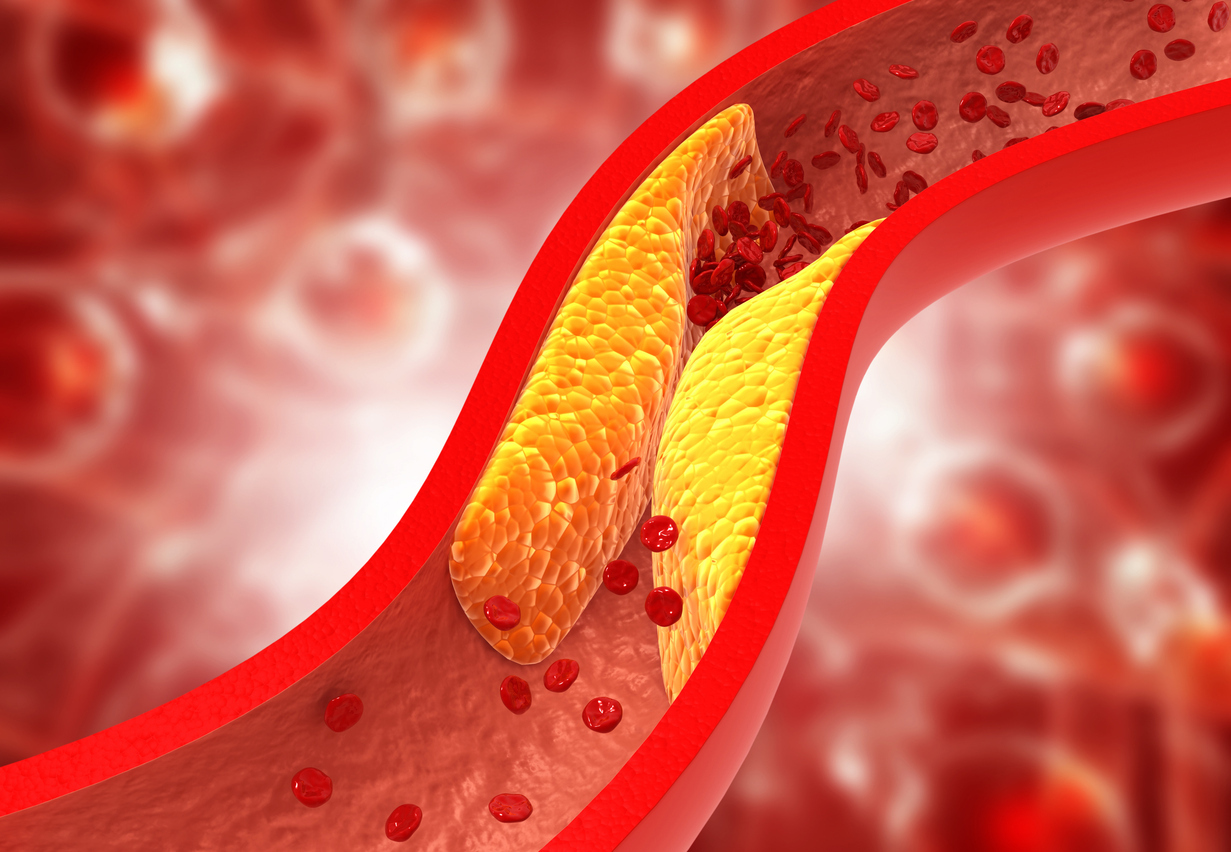
Hearing that you have a blocked artery can feel overwhelming. One of the first questions many patients ask is simple and understandable:
**“Can medication fix this?”**
It’s a hopeful question and an important one. The answer isn’t a simple yes or no, but understanding how medications work (and where they have limits) can help you feel more informed and in control of your care.
## What Is a “Blocked Artery,” Really?
When we talk about a blockage, we’re usually referring to a condition called [**atherosclerosis**](https://www.mayoclinic.org/diseases-conditions/arteriosclerosis-atherosclerosis/symptoms-causes/syc-20350569). This a buildup of plaque inside the arteries. This plaque is made up of cholesterol, fat, calcium, and other substances that gradually accumulate along the artery wall.
Over time, this buildup can:
Depending on where this occurs, it can lead to conditions like:
## What Medications *Can* Do
Medications play a **critical role** in managing vascular disease. While they may not “erase” plaque, they can significantly improve your vascular health and reduce risk.
Here’s how:
### 1. Slow or Stabilize Plaque
Certain medications, like statins, help lower cholesterol and reduce inflammation. This can **stabilize plaque**, making it less likely to rupture and cause a serious event like a stroke or heart attack.
### 2. Improve Blood Flow
Medications such as antiplatelet agents (like aspirin) help prevent blood clots from forming, allowing blood to move more freely through narrowed arteries.
### 3. Manage Underlying Conditions
Blood pressure medications, diabetes treatments, and cholesterol-lowering drugs all work together to **address the root causes** of vascular disease.
### 4. Reduce Symptoms
In some cases, medications can help relieve symptoms like leg pain from PAD, improving quality of life and mobility.
## What Medications Typically *Cannot* Do
It’s important to set realistic expectations.
While medications are powerful, they generally:
That said, every patient is different. In earlier stages of disease, aggressive medical management and lifestyle changes can sometimes lead to meaningful improvements.
## When Procedures Become Part of the Plan
If a blockage becomes significant, especially if it’s causing symptoms or limiting blood flow, your care team may recommend a procedure.
These may include:
These treatments are designed to **restore blood flow more directly**, especially when medication alone isn’t enough.
## The Power of Combined Care
One of the most important things to understand is this:
**It’s not medication *versus* procedures. It’s medication *and* procedures working together.**
Even after a successful procedure, medications remain essential to:
This combined approach often leads to the **best outcomes** both in the short term and over time.
## A Reassuring Perspective
If you’ve been diagnosed with a blocked artery, it’s completely natural to hope for a simple fix. While medications alone may not “clear” an artery, they are a powerful part of treatment, and in many cases, they can slow disease progression, reduce risk, and improve your overall health.
The key is **personalized care**.
At **The Cardiovascular Care Group**, treatment plans are tailored to each patient’s condition, symptoms, and goals, whether that involves medication, minimally invasive procedures, or a combination of both.
If you have questions about your diagnosis or treatment options, don’t hesitate to ask. The more you understand, the more confident you can feel in the path forward.
[](https://cta-redirect.hubspot.com/cta/redirect/6302898/6f573a69-415d-4436-b5b0-366ef20aa221)
## Featured posts
### Categories
- [Aortic Aneurysms (11)](https://vascular.tcvcg.com/blog/tag/aortic-aneurysms)
- [Carotid Artery Disease (18)](https://vascular.tcvcg.com/blog/tag/carotid-artery-disease)
- [Health/Exercise (22)](https://vascular.tcvcg.com/blog/tag/health-exercise)
- [Hemodialysis (7)](https://vascular.tcvcg.com/blog/tag/hemodialysis)
- [Peripheral Artery Disease (23)](https://vascular.tcvcg.com/blog/tag/peripheral-artery-disease)
- [Travel (4)](https://vascular.tcvcg.com/blog/tag/travel)
- [Vascular Doctors/Staff (17)](https://vascular.tcvcg.com/blog/tag/vascular-doctors-staff)
- [Vascular Treatments (27)](https://vascular.tcvcg.com/blog/tag/vascular-treatments)
- [Vein Conditions (61)](https://vascular.tcvcg.com/blog/tag/vein-conditions)
- [Vein Treatments (47)](https://vascular.tcvcg.com/blog/tag/vein-treatments)
### Subscribe to TCVCG Health News
## Contact Us
#### To contact us or schedule an appointment call (973) 759-9000 or fill out the form below
The Cardiovascular Care Group has six (6) convenient office locations throughout New Jersey. If you should have any questions regarding our practice specialties, hospital affiliations, insurance & billing or you just have a general question about the practice, please do not hesitate to contact us.
[View Locations](https://tcvcg.com/contact-us/locations/)
 [Visit the Vein Institute of New Jersey](https://www.veininstitutenj.com/)
[](https://tcvcg.com/our-practice/noninvasive-vascular-laboratory/) [](https://tcvcg.com/our-practice/noninvasive-vascular-laboratory/) [](https://tcvcg.com/our-practice/leadership-integrity//) [](https://tcvcg.com/our-practice/leadership-integrity/)
[_2.jpg)](https://castleconnolly.com/)
### Testimonials
I cannot say enough good things – and I’ve been to a lot of doctors. The staff is so friendly an...
- D., Neptune
I have been coming to The Cardiovascular Care Group for nearly two decades! Initially with my Dad wh...
- A., Clark
[Read More](http://tcvcg.com/our-practice/patient-testimonials/)
©2021-2024, The Cardiovascular Care Group. All rights reserved. [Terms and Conditions](http://tcvcg.com/terms-and-conditions/) [Privacy Policy](http://tcvcg.com/privacy-policy-2/) [Non-Discrimination](https://www.tcvcg.com/non-discrimination-notice) [HIPAA Notice](https://tcvcg.com/hipaa-omnibus-notice-of-privacy-practices/)
All information on this site is of a general nature and is furnished for your knowledge and understanding only.
This information is not to be taken as medical or other health advice pertaining to your specific health and medical condition.