

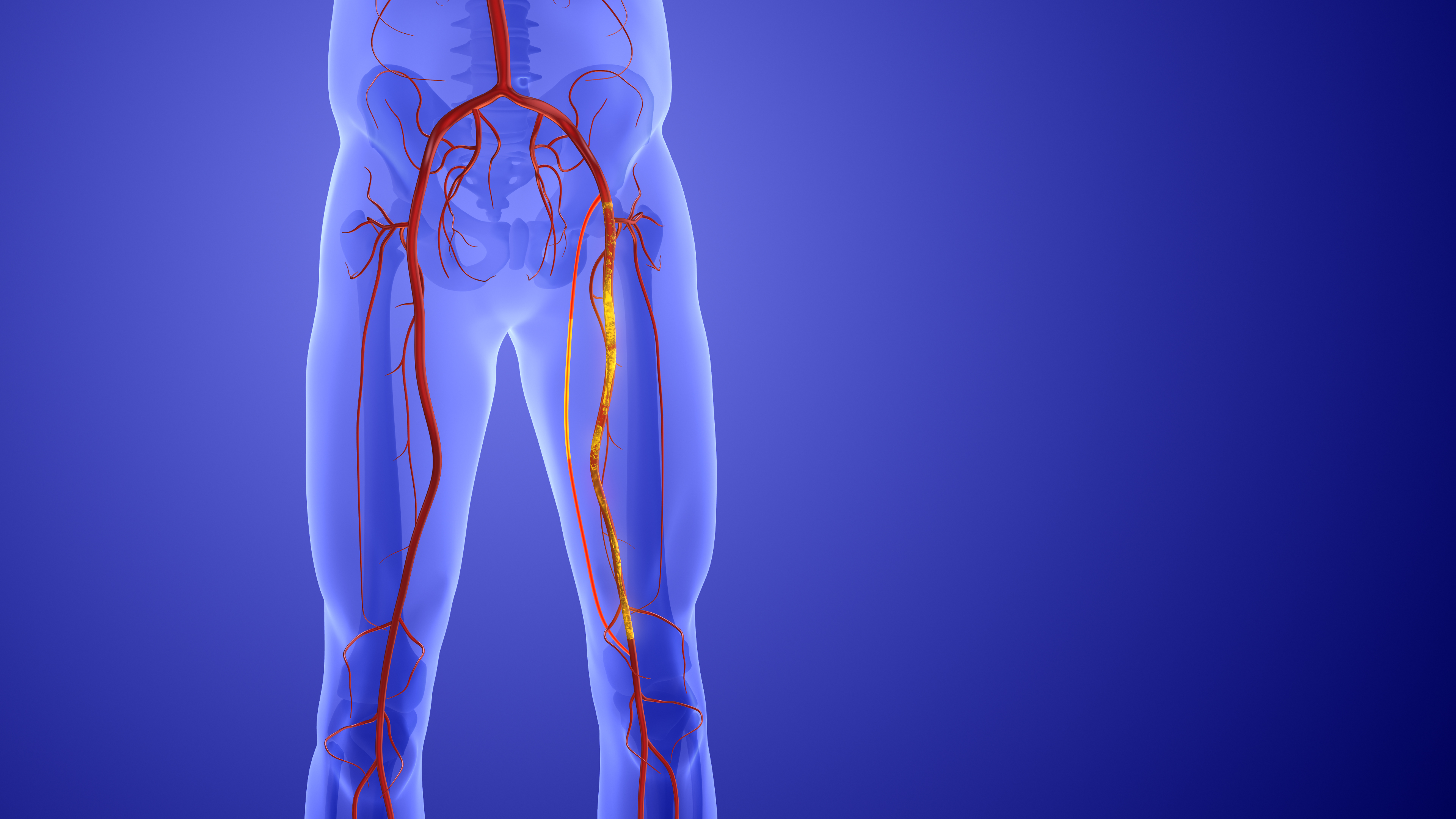
If you're experiencing leg pain when walking, a wound that won't heal, or changes in the color or temperature of your feet, your vascular specialist may recommend a leg angiogram. While the idea of an angiogram can sound intimidating, it is one of the most valuable tools available for diagnosing and treating circulation problems in the legs.
Understanding when a leg angiogram is needed and what to expect from the procedure can help you feel more informed and confident about your vascular care.
What Symptoms May Lead to a Leg Angiogram?
A leg angiogram is often recommended when there is concern that blood flow to the legs or feet has become restricted due to peripheral artery disease (PAD) or another vascular condition.
Common symptoms that may prompt further evaluation include:
Leg Pain When Walking (Claudication)
One of the most common signs of PAD is claudication, which involves pain, cramping, heaviness, or fatigue in the calves, thighs, or buttocks that occurs with walking and improves with rest. This happens because narrowed arteries cannot deliver enough oxygen-rich blood to the muscles during activity.
Non-Healing Wounds or Foot Ulcers
Cuts, sores, or wounds on the feet or lower legs that fail to heal properly may indicate poor circulation. Without adequate blood flow, the body's natural healing process becomes compromised.
Color Changes in the Feet or Toes
If your feet or toes appear pale, bluish, purple, or unusually red, it may be a sign that blood flow is reduced.
Coldness, Numbness, or Tingling
A foot or leg that consistently feels colder than the other side or symptoms such as numbness, tingling, or weakness can be associated with arterial disease.
Pain at Rest
More advanced circulation problems may cause pain in the feet or toes even when you're not walking, particularly at night or while lying down. This may be a sign of critical limb-threatening ischemia, a serious form of PAD.
What Tests Are Usually Done First?
Before recommending an angiogram, your vascular surgeon will typically perform a thorough evaluation that may include:
- Medical history and physical examination
- Pulse assessment
- Ankle-Brachial Index (ABI) testing
- Arterial ultrasound imaging
- Additional noninvasive vascular studies
These tests can identify whether blood flow is reduced and help determine the severity and location of arterial blockages.
However, while these tests provide valuable information, they may not always show the complete picture.
What Is a Leg Angiogram?
A leg angiogram is an imaging procedure that allows vascular specialists to see the inside of the arteries in real time.
During the procedure, a special contrast dye is injected into the bloodstream while X-ray imaging is used to create detailed pictures of the arteries in the legs. This allows your vascular surgeon to identify:
- Areas of narrowing (stenosis)
- Complete blockages
- Calcified arteries
- Abnormal blood vessel anatomy
- Reduced blood flow to the foot
Many patients think of an angiogram as the "road map" that helps vascular surgeons determine the best treatment approach.
Why Would a Vascular Surgeon Order an Angiogram?
A vascular surgeon may recommend an angiogram when:
- Symptoms suggest significant arterial disease
- Noninvasive testing indicates reduced blood flow
- A wound or ulcer is not healing
- There is concern about limb-threatening circulation problems
- Treatment decisions require more detailed imaging
In many cases, an angiogram serves both a diagnostic and therapeutic purpose.
If a blockage is identified during the procedure, treatment may often be performed immediately without requiring a second procedure.
What Happens During the Procedure?
Most leg angiograms are performed in an outpatient vascular procedure suite or hospital setting.
Before the Procedure
Patients typically receive instructions regarding medications, eating, and drinking before the procedure. An IV line is placed, and the treatment area is cleaned and prepared.
During the Procedure
A small catheter is inserted through an artery, usually in the groin, wrist, or arm.
Using advanced imaging guidance, the vascular surgeon carefully navigates the catheter to the arteries being evaluated.
Contrast dye is injected while X-ray images are obtained.
If a blockage is discovered, treatment may be performed during the same procedure using techniques such as:
- Balloon angioplasty
- Stent placement
- Atherectomy (plaque removal)
- Other minimally invasive interventions
Most patients remain awake but receive medication to help them relax and remain comfortable.
How Long Does It Take?
Procedure times vary depending on complexity, but many angiograms take approximately 30 minutes to two hours.
What Happens After a Leg Angiogram?
Following the procedure, patients are monitored for a short period before returning home.
Most patients can:
- Walk the same day
- Resume light activities within 24 hours
- Return to normal routines within a few days
Your vascular surgeon will provide specific instructions regarding:
- Activity restrictions
- Hydration
- Medication management
- Follow-up appointments
If treatment was performed during the angiogram, recovery recommendations may vary slightly.
Are There Alternatives to an Angiogram?
Yes. Depending on your condition, your physician may use noninvasive imaging studies such as:
- Arterial ultrasound
- CT angiography (CTA)
- MR angiography (MRA)
These tests can provide valuable information, but they do not allow treatment to be performed at the same time.
A traditional angiogram remains the gold standard when detailed arterial imaging is needed and when intervention may be required.
Frequently Asked Questions
Is a leg angiogram painful?
Most patients report little discomfort. Local anesthesia is used at the catheter insertion site, and mild sedation is often provided.
Will I be asleep?
Typically, no. Most angiograms are performed using local anesthesia and conscious sedation, allowing patients to remain comfortable while awake.
Is it safe?
Leg angiograms are routinely performed and generally considered very safe when conducted by experienced vascular surgeons. As with any medical procedure, there are potential risks, which your physician will discuss with you beforehand.
Can a blockage be treated during the same procedure?
Often, yes. One of the major advantages of angiograms is that diagnosis and treatment can frequently occur during the same visit.
How do I know if I need an angiogram?
If you have leg pain when walking, non-healing wounds, foot discoloration, numbness, cold feet, or abnormal vascular testing results, a vascular evaluation can help determine whether an angiogram is appropriate.
Don't Ignore Symptoms of Poor Circulation
Many people assume leg pain, slow-healing wounds, or changes in their feet are simply part of aging. These symptoms may signal an underlying circulation problem that requires medical attention.
Early diagnosis and treatment of peripheral artery disease can help relieve symptoms, improve mobility, promote wound healing, and reduce the risk of serious complications.
If you're experiencing symptoms of poor circulation, schedule an evaluation with a vascular surgeon to determine whether further testing, including a leg angiogram, may be beneficial.





_2.jpg)