---
title: The Cardiovascular Care Group Blog (2)
description: The Cardiovascular Care Group blog offers articles related to arterial health. As one the largest and oldest vascular practices in New Jersey, we value education and honesty in our communications. (2)
---
The Vein Institute of New Jersey is considered one of the top vein centers in the world. [Visit The Vein Institute](https://www.veininstitutenj.com/)
[Patient Portal](https://gateway.aprima.com/portal/home/11101) [Careers](https://workforcenow.adp.com/mascsr/default/mdf/recruitment/recruitment.html?cid=01ac20b2-794f-4cd2-b641-85102eaee82c&ccId=19000101_000001&lang=en_US&selectedMenuKey=CareerCenter)
[](http://tcvcg.com/)
[973-759-9000](tel:9737599000) [Schedule Appointment](http://tcvcg.com/contact-us/scheduling-appointments/)
- [Contact Us](https://tcvcg.com/contact-us/)
- [Locations](https://tcvcg.com/contact-us/locations/)
- [Patient Forms](https://tcvcg.com/registration)
- [Scheduling Appointments](https://tcvcg.com/contact-us/scheduling-appointments/)
- [Hospital Consults](https://tcvcg.com/consult/)
- [Our Practice](https://tcvcg.com/our-practice/)
- - [Our Providers](https://tcvcg.com/our-practice/our-providers/)
- [Leadership & Integrity](https://tcvcg.com/our-practice/leadership-integrity/)
- [Noninvasive Vascular Laboratory](https://tcvcg.com/our-practice/noninvasive-vascular-laboratory/)
- [Vein Treatment Center](https://tcvcg.com/our-practice/vein-treatment-center/)
- [Hospital Affiliations](https://tcvcg.com/our-practice/hospital-affiliations/)
- - [Patient Testimonials](https://tcvcg.com/our-practice/patient-testimonials/)
- [Awards & Media](https://tcvcg.com/our-practice/awards-media/)
- [Vascular Clinical Trials](https://tcvcg.com/our-practice/vascular-clinical-trials/)
- [History](https://tcvcg.com/our-practice/history/)
- [Vascular Conditions](https://tcvcg.com/vascular-conditions/)
- - [Peripheral Artery Disease (“PAD”)](https://tcvcg.com/vascular-conditions/peripheral-artery-disease-pad/)
- [Carotid Artery Disease](https://tcvcg.com/vascular-conditions/carotid-artery-disease/)
- [Aortic Aneurysms](https://tcvcg.com/vascular-conditions/aortic-aneurysms/)
- - [Hemodialysis Access](https://tcvcg.com/vascular-conditions/hemodialysis-access/)
- [Vein Disease](https://tcvcg.com/vascular-conditions/vein-disease/)
- [TCVCG Vascular Screening](https://tcvcg.com/vascular-conditions/tcvcg-vascular-screening-program/)
- [Treatments](https://tcvcg.com/treatments/)
- - [Peripheral Artery Disease (“PAD”)](https://tcvcg.com/treatments/peripheral-artery-disease-pad/)
- [Carotid Artery Disease](https://tcvcg.com/treatments/causes-and-care-for-carotid-artery-disease/)
- [Abdominal Aortic Aneurysm](https://tcvcg.com/treatments/abdominal-aortic-aneurysm/)
- - [Dialysis Access Care](https://tcvcg.com/treatments/dialysis-access-care/)
- [Procedure Suite](https://tcvcg.com/treatments/procedure-suite/)
- [Vein Care](https://tcvcg.com/treatments/vein-care/)
- [Patient Info](https://tcvcg.com/patient-info/)
- - [Contact Us](https://tcvcg.com/contact-us/)
- [e-Book Library](https://tcvcg.com/e-book-library/)
- [Falls Prevention](https://tcvcg.com/tcvcg-falls-prevention-guide/)
- [Healthy Recipes](https://tcvcg.com/healthy-recipes/)
- [Insurance & Billing](https://tcvcg.com/patient-info/insurance-billing/)
- [Know Your Vascular Health](https://tcvcg.com/patient-info/know-your-vascular-health/)
- - [Leg Swelling Assessment](https://tcvcg.com/leg-swelling-assessment/)
- [Medical Record Request](https://tcvcg.com/medical-record-request/)
- [PAD Assessment](https://tcvcg.com/pad-assessment/)
- [Patient Forms](https://tcvcg.com/registration)
- [Second Opinions](https://tcvcg.com/what-you-should-know-about-second-opinions/)
- [Videos](https://tcvcg.com/patient-info/videos/)
- [Blog](https://vascular.tcvcg.com/blog/)
- [Contact Us](https://tcvcg.com/contact-us/)
- [Locations](https://tcvcg.com/contact-us/locations/)
- [Patient Forms](https://tcvcg.com/registration)
- [Scheduling Appointments](https://tcvcg.com/contact-us/scheduling-appointments/)
- [Hospital Consults](https://tcvcg.com/consult/)
- [Our Practice](https://tcvcg.com/our-practice/)
- - [Our Providers](https://tcvcg.com/our-practice/our-providers/)
- [Leadership & Integrity](https://tcvcg.com/our-practice/leadership-integrity/)
- [Noninvasive Vascular Laboratory](https://tcvcg.com/our-practice/noninvasive-vascular-laboratory/)
- [Vein Treatment Center](https://tcvcg.com/our-practice/vein-treatment-center/)
- [Hospital Affiliations](https://tcvcg.com/our-practice/hospital-affiliations/)
- - [Patient Testimonials](https://tcvcg.com/our-practice/patient-testimonials/)
- [Awards & Media](https://tcvcg.com/our-practice/awards-media/)
- [Vascular Clinical Trials](https://tcvcg.com/our-practice/vascular-clinical-trials/)
- [History](https://tcvcg.com/our-practice/history/)
- [Vascular Conditions](https://tcvcg.com/vascular-conditions/)
- - [Peripheral Artery Disease (“PAD”)](https://tcvcg.com/vascular-conditions/peripheral-artery-disease-pad/)
- [Carotid Artery Disease](https://tcvcg.com/vascular-conditions/carotid-artery-disease/)
- [Aortic Aneurysms](https://tcvcg.com/vascular-conditions/aortic-aneurysms/)
- - [Hemodialysis Access](https://tcvcg.com/vascular-conditions/hemodialysis-access/)
- [Vein Disease](https://tcvcg.com/vascular-conditions/vein-disease/)
- [TCVCG Vascular Screening](https://tcvcg.com/vascular-conditions/tcvcg-vascular-screening-program/)
- [Treatments](https://tcvcg.com/treatments/)
- - [Peripheral Artery Disease (“PAD”)](https://tcvcg.com/treatments/peripheral-artery-disease-pad/)
- [Carotid Artery Disease](https://tcvcg.com/treatments/causes-and-care-for-carotid-artery-disease/)
- [Abdominal Aortic Aneurysm](https://tcvcg.com/treatments/abdominal-aortic-aneurysm/)
- - [Dialysis Access Care](https://tcvcg.com/treatments/dialysis-access-care/)
- [Procedure Suite](https://tcvcg.com/treatments/procedure-suite/)
- [Vein Care](https://tcvcg.com/treatments/vein-care/)
- [Patient Info](https://tcvcg.com/patient-info/)
- - [Contact Us](https://tcvcg.com/contact-us/)
- [e-Book Library](https://tcvcg.com/e-book-library/)
- [Falls Prevention](https://tcvcg.com/tcvcg-falls-prevention-guide/)
- [Healthy Recipes](https://tcvcg.com/healthy-recipes/)
- [Insurance & Billing](https://tcvcg.com/patient-info/insurance-billing/)
- [Know Your Vascular Health](https://tcvcg.com/patient-info/know-your-vascular-health/)
- - [Leg Swelling Assessment](https://tcvcg.com/leg-swelling-assessment/)
- [Medical Record Request](https://tcvcg.com/medical-record-request/)
- [PAD Assessment](https://tcvcg.com/pad-assessment/)
- [Patient Forms](https://tcvcg.com/registration)
- [Second Opinions](https://tcvcg.com/what-you-should-know-about-second-opinions/)
- [Videos](https://tcvcg.com/patient-info/videos/)
- [Blog](https://vascular.tcvcg.com/blog/)
Menu
The Vein Institute of New Jersey is considered one of the top vein centers in the world. [Visit The Vein Institute](https://www.veininstitutenj.com/)
[Patient Portal](https://gateway.aprima.com/portal/home/11101) [Careers](https://workforcenow.adp.com/mascsr/default/mdf/recruitment/recruitment.html?cid=01ac20b2-794f-4cd2-b641-85102eaee82c&ccId=19000101_000001&lang=en_US&selectedMenuKey=CareerCenter)
[](http://tcvcg.com/)
[973-759-9000](tel:9737599000) [Schedule Appointment](http://tcvcg.com/contact-us/scheduling-appointments/)
- [Contact Us](https://tcvcg.com/contact-us/)
- [Locations](https://tcvcg.com/contact-us/locations/)
- [Patient Forms](https://tcvcg.com/registration)
- [Scheduling Appointments](https://tcvcg.com/contact-us/scheduling-appointments/)
- [Hospital Consults](https://tcvcg.com/consult/)
- [Our Practice](https://tcvcg.com/our-practice/)
- [Our Providers](https://tcvcg.com/our-practice/our-providers/)
- [Leadership & Integrity](https://tcvcg.com/our-practice/leadership-integrity/)
- [Noninvasive Vascular Laboratory](https://tcvcg.com/our-practice/noninvasive-vascular-laboratory/)
- [Vein Treatment Center](https://tcvcg.com/our-practice/vein-treatment-center/)
- [Hospital Affiliations](https://tcvcg.com/our-practice/hospital-affiliations/)
- [Patient Testimonials](https://tcvcg.com/our-practice/patient-testimonials/)
- [Awards & Media](https://tcvcg.com/our-practice/awards-media/)
- [Vascular Clinical Trials](https://tcvcg.com/our-practice/vascular-clinical-trials/)
- [History](https://tcvcg.com/our-practice/history/)
- [Vascular Conditions](https://tcvcg.com/vascular-conditions/)
- [Peripheral Artery Disease (“PAD”)](https://tcvcg.com/vascular-conditions/peripheral-artery-disease-pad/)
- [Carotid Artery Disease](https://tcvcg.com/vascular-conditions/carotid-artery-disease/)
- [Aortic Aneurysms](https://tcvcg.com/vascular-conditions/aortic-aneurysms/)
- [Hemodialysis Access](https://tcvcg.com/vascular-conditions/hemodialysis-access/)
- [Vein Disease](https://tcvcg.com/vascular-conditions/vein-disease/)
- [Free Vascular Screening](https://tcvcg.com/vascular-conditions/free-vascular-screening-program/)
- [Treatments](https://tcvcg.com/treatments/)
- [Peripheral Artery Disease (“PAD”)](https://tcvcg.com/treatments/peripheral-artery-disease-pad/)
- [Carotid Artery Disease](https://tcvcg.com/treatments/causes-and-care-for-carotid-artery-disease/)
- [Abdominal Aortic Aneurysm](https://tcvcg.com/treatments/abdominal-aortic-aneurysm/)
- [Dialysis Access Care](https://tcvcg.com/treatments/dialysis-access-care/)
- [Procedure Suite](https://tcvcg.com/treatments/procedure-suite/)
- [Vein Care](https://tcvcg.com/treatments/vein-care/)
- [Patient Info](https://tcvcg.com/patient-info/)
- [Contact Us](https://tcvcg.com/contact-us/)
- [e-Book Library](https://tcvcg.com/e-book-library/)
- [Falls Preventioin](https://tcvcg.com/tcvcg-falls-prevention-guide/)
- [Healthy Recipies](https://tcvcg.com/healthy-recipes/)
- [Insurance & Billing](https://tcvcg.com/patient-info/insurance-billing/)
- [Know Your Vascular Health](https://tcvcg.com/patient-info/know-your-vascular-health/)
- [Leg Swelling Score](https://tcvcg.com/leg-swelling-assessment/)
- [Medical Record Request](https://tcvcg.com/medical-record-request/)
- [PAD Assessment](https://tcvcg.com/pad-assessment/)
- [Patient Forms](https://tcvcg.com/registration)
- [Second Opinions](https://tcvcg.com/what-you-should-know-about-second-opinions/)
- [Videos](https://tcvcg.com/patient-info/videos/)
- [Blog](https://vascular.tcvcg.com/blog/)
- [Patient Portal](https://gateway.aprima.com/portal/home/11101)
- [Careers](https://workforcenow.adp.com/mascsr/default/mdf/recruitment/recruitment.html?cid=01ac20b2-794f-4cd2-b641-85102eaee82c&ccId=19000101_000001&lang=en_US&selectedMenuKey=CareerCenter)
-
-
## The Cardiovascular Care Group Blog
-
- The Cardiovascular Care Group Blog
This is a search field with an auto-suggest feature attached.
- There are no suggestions because the search field is empty.
[](https://vascular.tcvcg.com/blog/why-varicose-veins-feel-worse-in-hot-weather)
## [Why Varicose Veins Feel Worse in Hot Weather](https://vascular.tcvcg.com/blog/why-varicose-veins-feel-worse-in-hot-weather)
Jul 23, 2026, 1:30:27 PM Dr. Jonathan Levison, MD, FACS
For many people with varicose veins or chronic venous insufficiency (CVI), summer is a mixed blessing. Longer days, vacations, and time spent outdoors are enjoyable—but rising temperatures often bring something less welcome: aching, swollen,...
[Read More](https://vascular.tcvcg.com/blog/why-varicose-veins-feel-worse-in-hot-weather)
[](https://vascular.tcvcg.com/blog/when-is-a-leg-angiogram-needed)
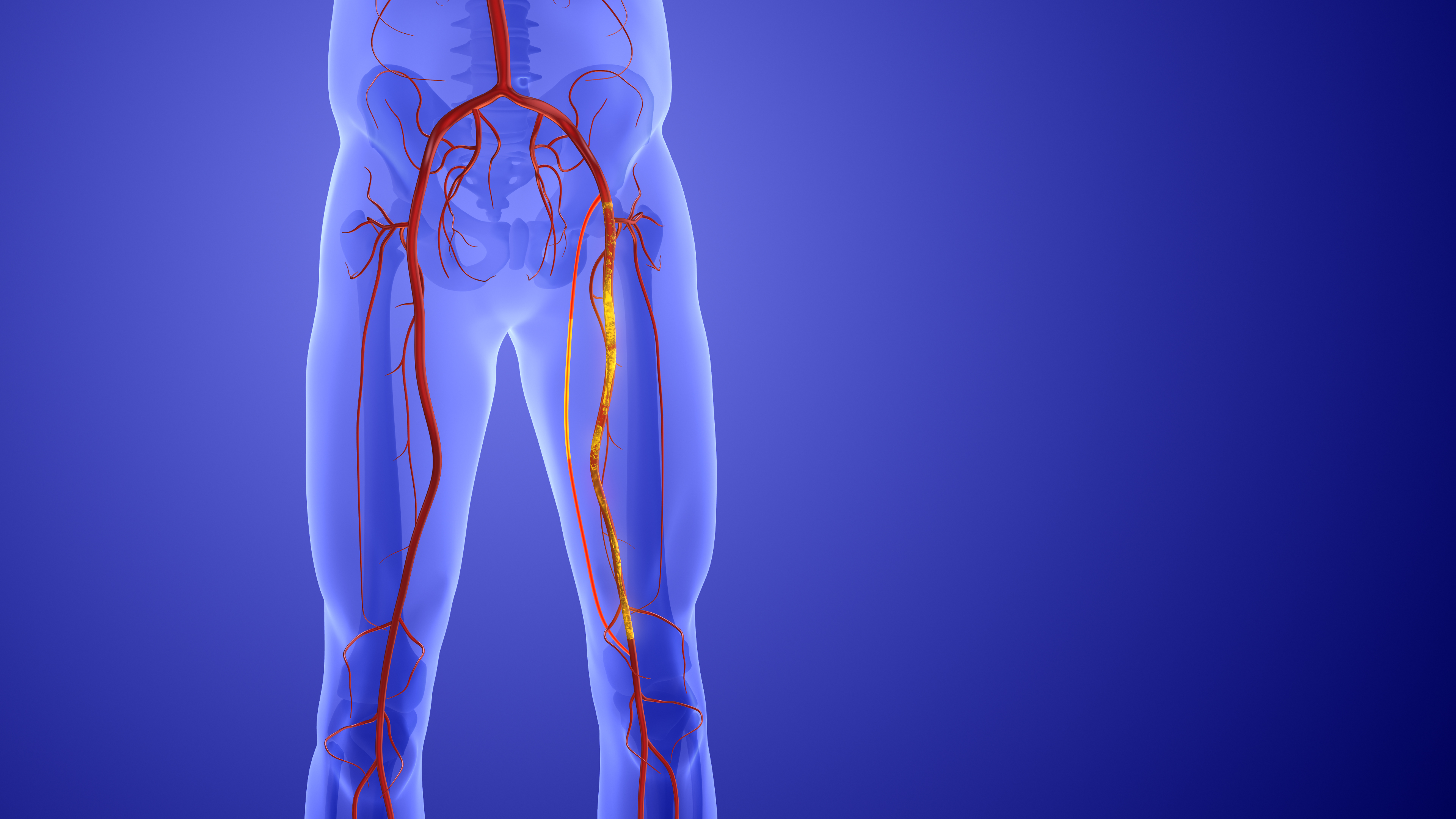
## [When is a Leg Angiogram Needed?](https://vascular.tcvcg.com/blog/when-is-a-leg-angiogram-needed)
Jun 26, 2026, 3:16:35 PM Dr. Daniel I. Fremed, MD, FACS
If you're experiencing leg pain when walking, a wound that won't heal, or changes in the color or temperature of your feet, your vascular specialist may recommend a leg angiogram. While the idea of an angiogram can sound intimidating, it is one...
[Read More](https://vascular.tcvcg.com/blog/when-is-a-leg-angiogram-needed)
[.jpg)](https://vascular.tcvcg.com/blog/do-you-need-an-ultrasound-for-vein-problems)
## [Do You Need an Ultrasound for Vein Problems?](https://vascular.tcvcg.com/blog/do-you-need-an-ultrasound-for-vein-problems)
Jun 26, 2026, 3:11:28 PM Dr. Andrew Cha, DO, FACS
If you're experiencing leg pain, swelling, varicose veins, or other vein-related symptoms, one of the first questions you may have is whether you'll need an ultrasound. The answer is often yes, and for good reason.
[Read More](https://vascular.tcvcg.com/blog/do-you-need-an-ultrasound-for-vein-problems)
[](https://vascular.tcvcg.com/blog/what-happens-if-you-dont-treat-carotid-artery-stenosis)
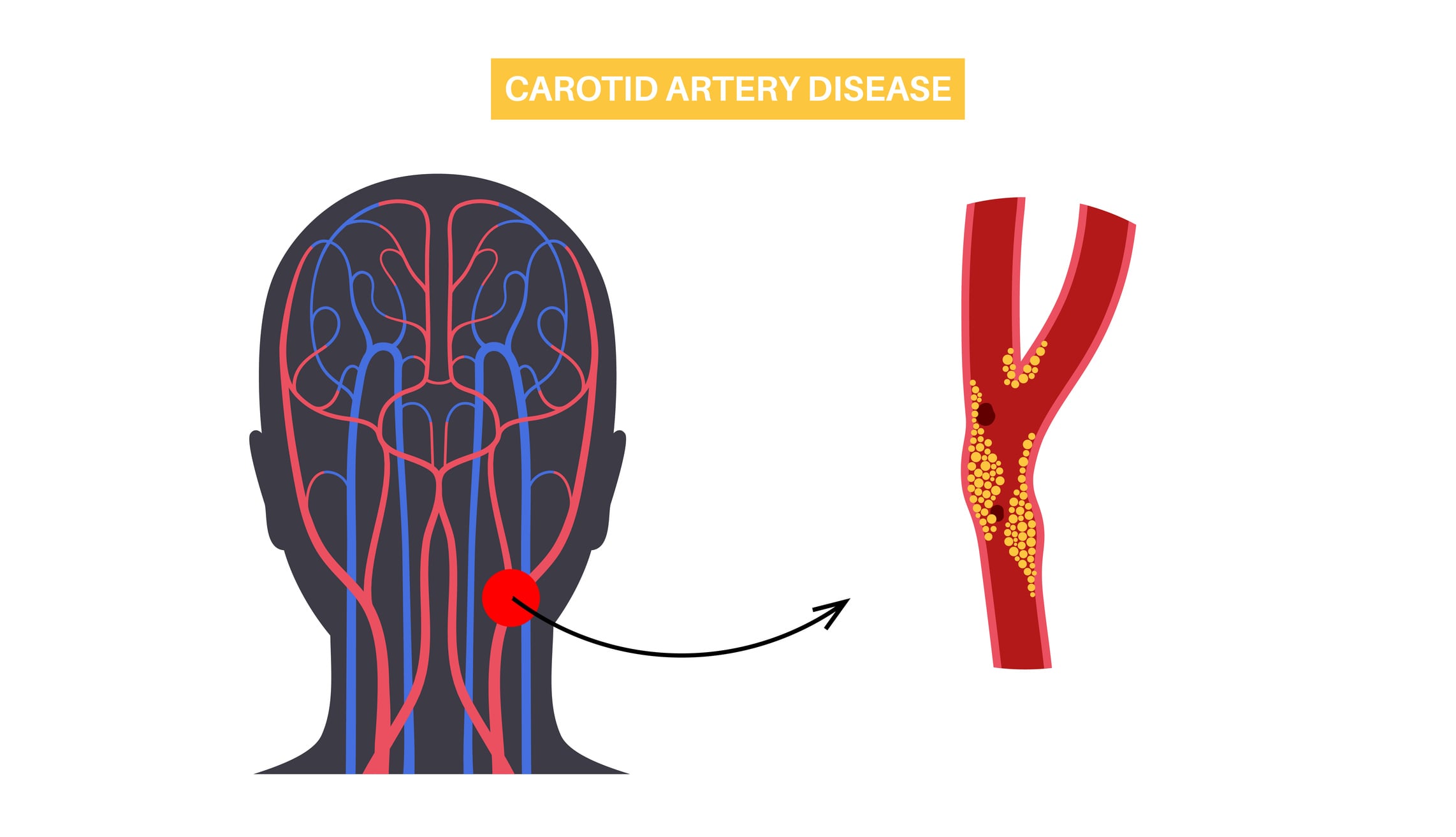
## [What Happens If You Don't Treat Carotid Artery Stenosis?](https://vascular.tcvcg.com/blog/what-happens-if-you-dont-treat-carotid-artery-stenosis)
Jun 16, 2026, 5:39:38 PM Dr. Michael Ombrellino, MD, FACS
When patients learn they have a blockage in one of their carotid arteries, one of the first questions they ask is, "Do I need to do anything about it?"
[Read More](https://vascular.tcvcg.com/blog/what-happens-if-you-dont-treat-carotid-artery-stenosis)
[](https://vascular.tcvcg.com/blog/venous-thromboembolism-vte-understanding-dvt-pulmonary-embolism-treatment)
## [Venous Thromboembolism (VTE): Understanding DVT, Pulmonary Embolism & Treatment](https://vascular.tcvcg.com/blog/venous-thromboembolism-vte-understanding-dvt-pulmonary-embolism-treatment)
Jun 16, 2026, 5:33:09 PM Dr. Neil Poulsen, MD
Venous Thromboembolism (VTE) is a serious vascular condition that affects hundreds of thousands of Americans every year. While many people have heard the terms **Deep Vein Thrombosis (DVT)** and **Pulmonary Embolism (PE)**, few realize that these...
[Read More](https://vascular.tcvcg.com/blog/venous-thromboembolism-vte-understanding-dvt-pulmonary-embolism-treatment)
- [« Previous Page](https://vascular.tcvcg.com/blog/page/1)
- [1](https://vascular.tcvcg.com/blog)
- 2
- [3](https://vascular.tcvcg.com/blog/page/3)
- [4](https://vascular.tcvcg.com/blog/page/4)
- [5](https://vascular.tcvcg.com/blog/page/5)
- [Next Page »](https://vascular.tcvcg.com/blog/page/3)
## Featured posts
### Categories
- [Aortic Aneurysms (11)](https://vascular.tcvcg.com/blog/tag/aortic-aneurysms)
- [Carotid Artery Disease (19)](https://vascular.tcvcg.com/blog/tag/carotid-artery-disease)
- [Health/Exercise (22)](https://vascular.tcvcg.com/blog/tag/health-exercise)
- [Hemodialysis (7)](https://vascular.tcvcg.com/blog/tag/hemodialysis)
- [Peripheral Artery Disease (24)](https://vascular.tcvcg.com/blog/tag/peripheral-artery-disease)
- [Travel (4)](https://vascular.tcvcg.com/blog/tag/travel)
- [Vascular Doctors/Staff (17)](https://vascular.tcvcg.com/blog/tag/vascular-doctors-staff)
- [Vascular Treatments (28)](https://vascular.tcvcg.com/blog/tag/vascular-treatments)
- [Vein Conditions (63)](https://vascular.tcvcg.com/blog/tag/vein-conditions)
- [Vein Treatments (47)](https://vascular.tcvcg.com/blog/tag/vein-treatments)
### Subscribe to TCVCG Health News
## Contact Us
#### To contact us or schedule an appointment call (973) 759-9000 or fill out the form below
The Cardiovascular Care Group has six (6) convenient office locations throughout New Jersey. If you should have any questions regarding our practice specialties, hospital affiliations, insurance & billing or you just have a general question about the practice, please do not hesitate to contact us.
[View Locations](https://tcvcg.com/contact-us/locations/)
 [Visit the Vein Institute of New Jersey](https://www.veininstitutenj.com/)
[](https://tcvcg.com/our-practice/noninvasive-vascular-laboratory/) [](https://tcvcg.com/our-practice/noninvasive-vascular-laboratory/) [](https://tcvcg.com/our-practice/leadership-integrity//) [](https://tcvcg.com/our-practice/leadership-integrity/)
[_2.jpg)](https://castleconnolly.com/)
### Testimonials
I cannot say enough good things – and I’ve been to a lot of doctors. The staff is so friendly an...
- D., Neptune
I have been coming to The Cardiovascular Care Group for nearly two decades! Initially with my Dad wh...
- A., Clark
[Read More](http://tcvcg.com/our-practice/patient-testimonials/)
©2021-2024, The Cardiovascular Care Group. All rights reserved. [Terms and Conditions](http://tcvcg.com/terms-and-conditions/) [Privacy Policy](http://tcvcg.com/privacy-policy-2/) [Non-Discrimination](https://www.tcvcg.com/non-discrimination-notice) [HIPAA Notice](https://tcvcg.com/hipaa-omnibus-notice-of-privacy-practices/)
All information on this site is of a general nature and is furnished for your knowledge and understanding only.
This information is not to be taken as medical or other health advice pertaining to your specific health and medical condition.